10 Easy Botanical Art Projects for Beginners | Watercolour & Coloured Pencil
by Emma Tildesley
Discover 10 easy botanical art projects for beginners, including five watercolour and five coloured pencil ideas. Explore simple flower, leaf and nature studies you can enjoy in short creative sessions, even on busy days.

Do you ever feel that life is simply too busy for art?
I know what it’s like to sit down with just an hour or two to spare and wonder where to begin. Life is often busy enough as it is, which can make it difficult to find a peaceful moment to start an art project, let alone finish it and feel that lovely sense of accomplishment.
If you'd love to spend more time painting and drawing but struggle to find the time, I've gathered ten of my easy botanical art projects to help you get started.
These watercolour and coloured pencil tutorials feature flowers, leaves and fruit, with opportunities to practise useful techniques while creating something beautiful. Some projects can be completed in around 90 minutes, while others are better suited to spreading across a few shorter sessions.
You don't need to set aside an entire afternoon or finish a painting in one sitting. Choose a subject that appeals to you, work at your own pace and enjoy having a little creative time for yourself.
Watercolour
Watercolour is a lovely medium for exploring transparent layers, soft colour transitions and delicate botanical details.
1. Calla Lily
1.5 Hours
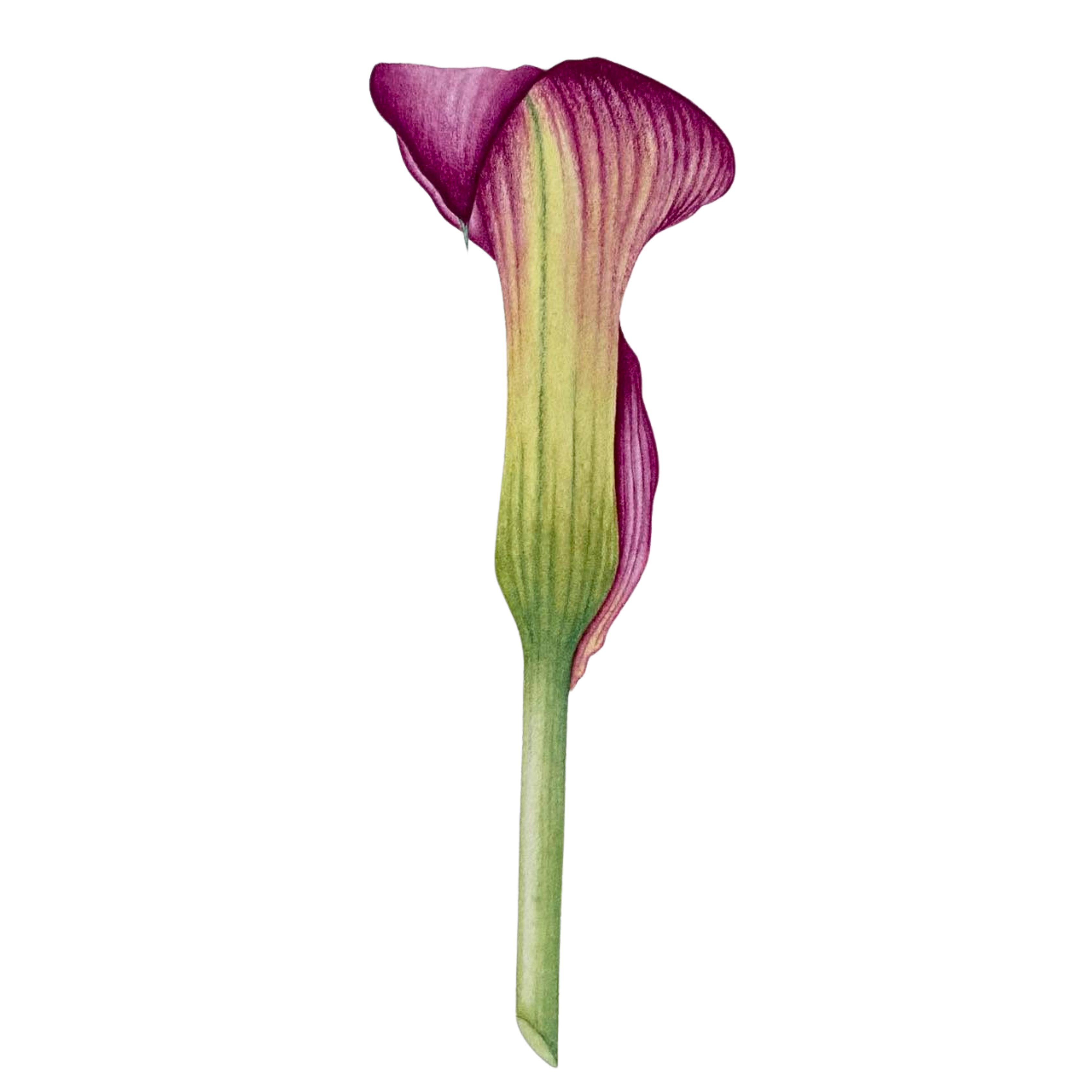
The elegant shape of a calla lily makes it a beautiful subject for botanical art. Its trumpet-shaped flower and delicate stem provide an opportunity to explore flowing curves, subtle colour changes and fine details.
In this painting, the petals transition from deep plum and magenta along the edges to soft yellow green through the centre. The contrasting colours help emphasise the flower's shape and texture.
This tutorial is a lovely introduction to a key watercolour technique: wet-in-wet painting, which allows colours to blend softly on damp paper.
If you would like to practise wet-in-wet application while painting a beautiful botanical subject, this is a lovely place to begin.
2. Tulip
2 Hours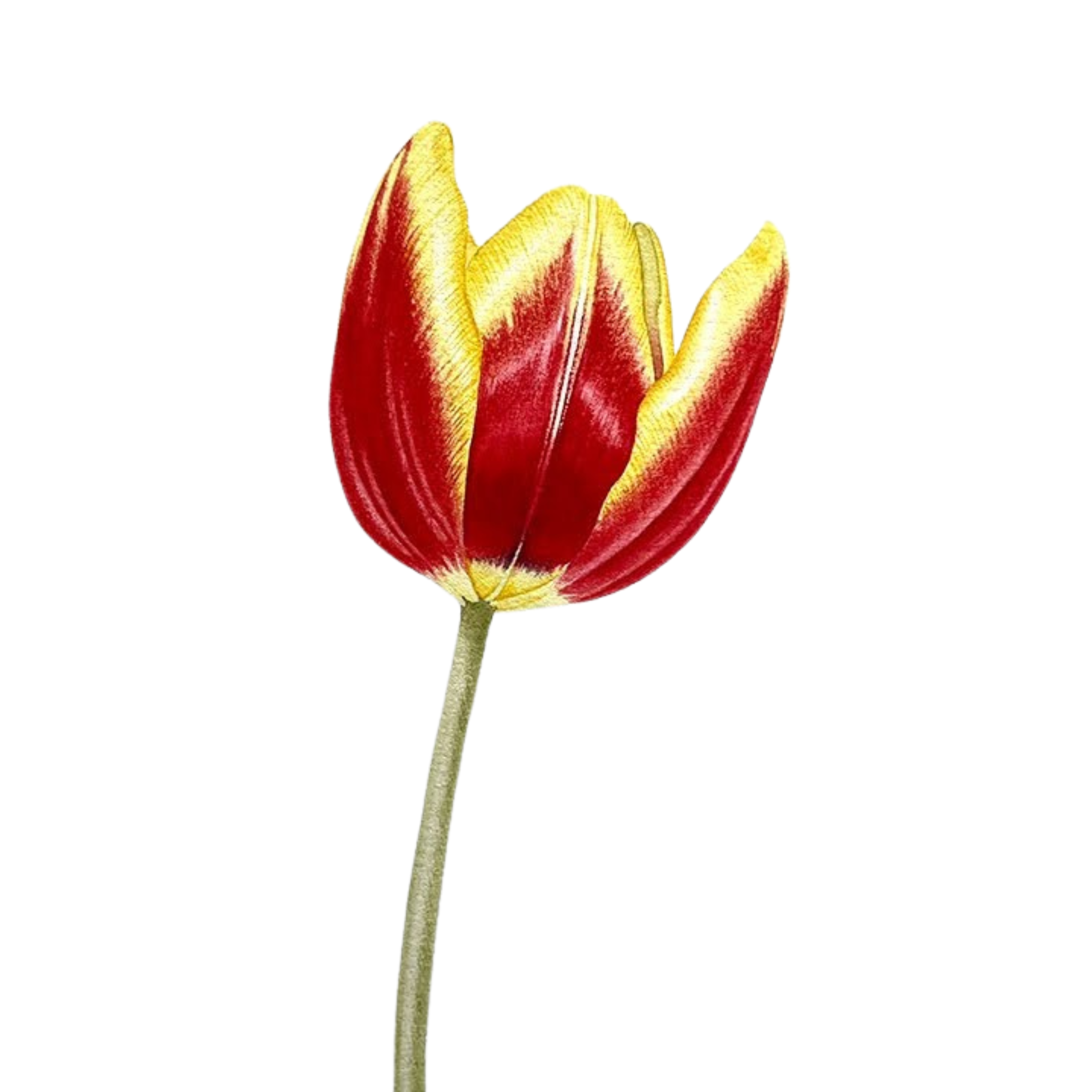
Tulips are wonderful subjects for watercolour, particularly when you want to explore rich colours and the way light falls across curved petals.
I chose a tulip with glossy petals, rich reds and bright yellow accents. These colours create an opportunity to practise mixing and applying yellows effectively while learning how to preserve the highlights that give the petals their shiny appearance.
This is also a lovely way to revisit the beauty of spring flowers, whatever the season.
3. Watermelon
1.5 Hours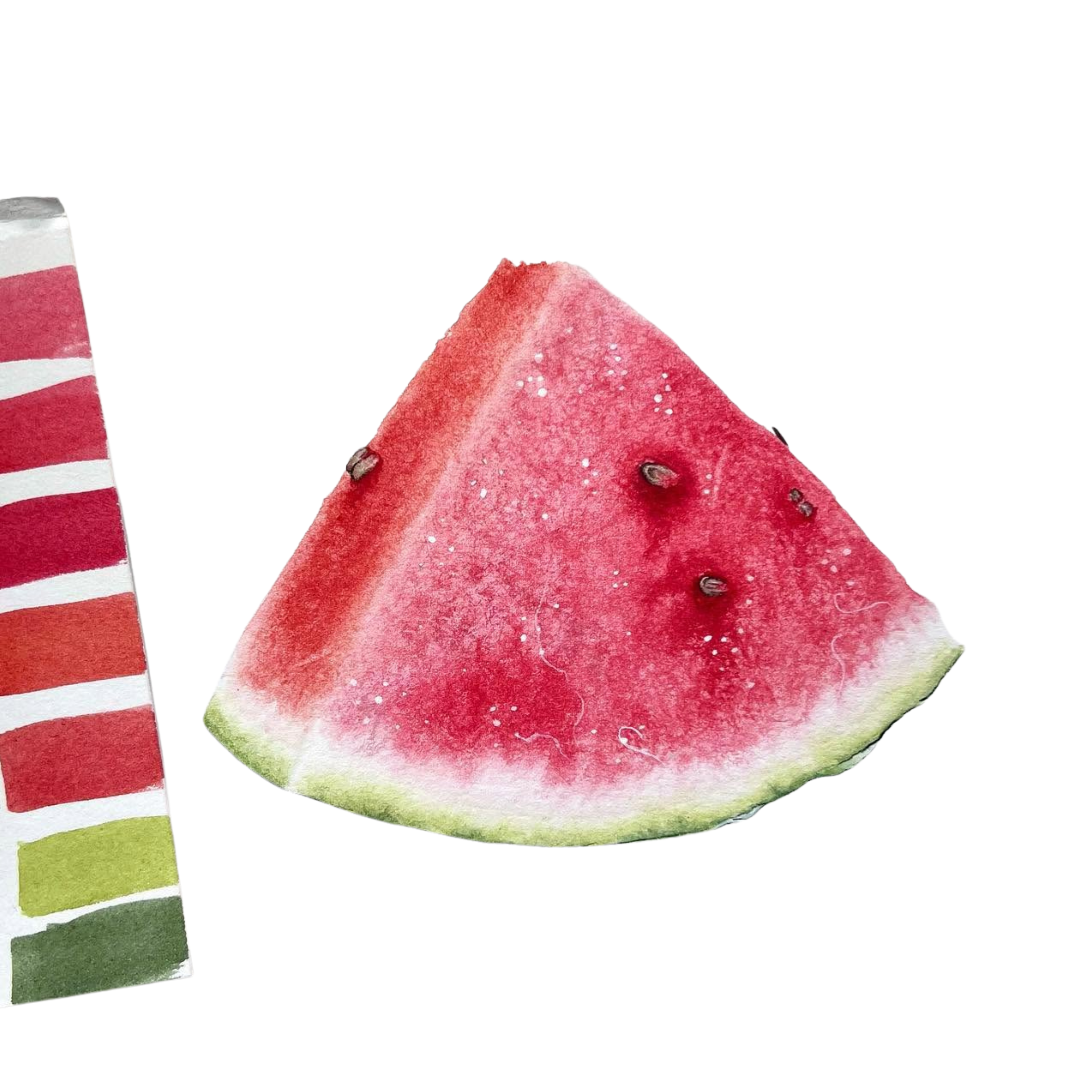
Fruit makes a wonderful subject for botanical art, too. You don't have to focus solely on painting flowers to create an interesting botanical study!
I was inspired to paint this watermelon during a particularly hot summer, when I wanted to capture something reminiscent of a refreshing slice of fruit.
There is a lovely range of colours to explore, from the pink red flesh to the vibrant green rind. The contrasting colours make this a particularly enjoyable project for practising colour mixing.
You'll also learn how to use masking fluid to preserve highlights. This is a useful technique when you want to retain small areas of white paper and create a more convincing, realistic finish.
4. Lipstick Echeveria
2.5 Hours
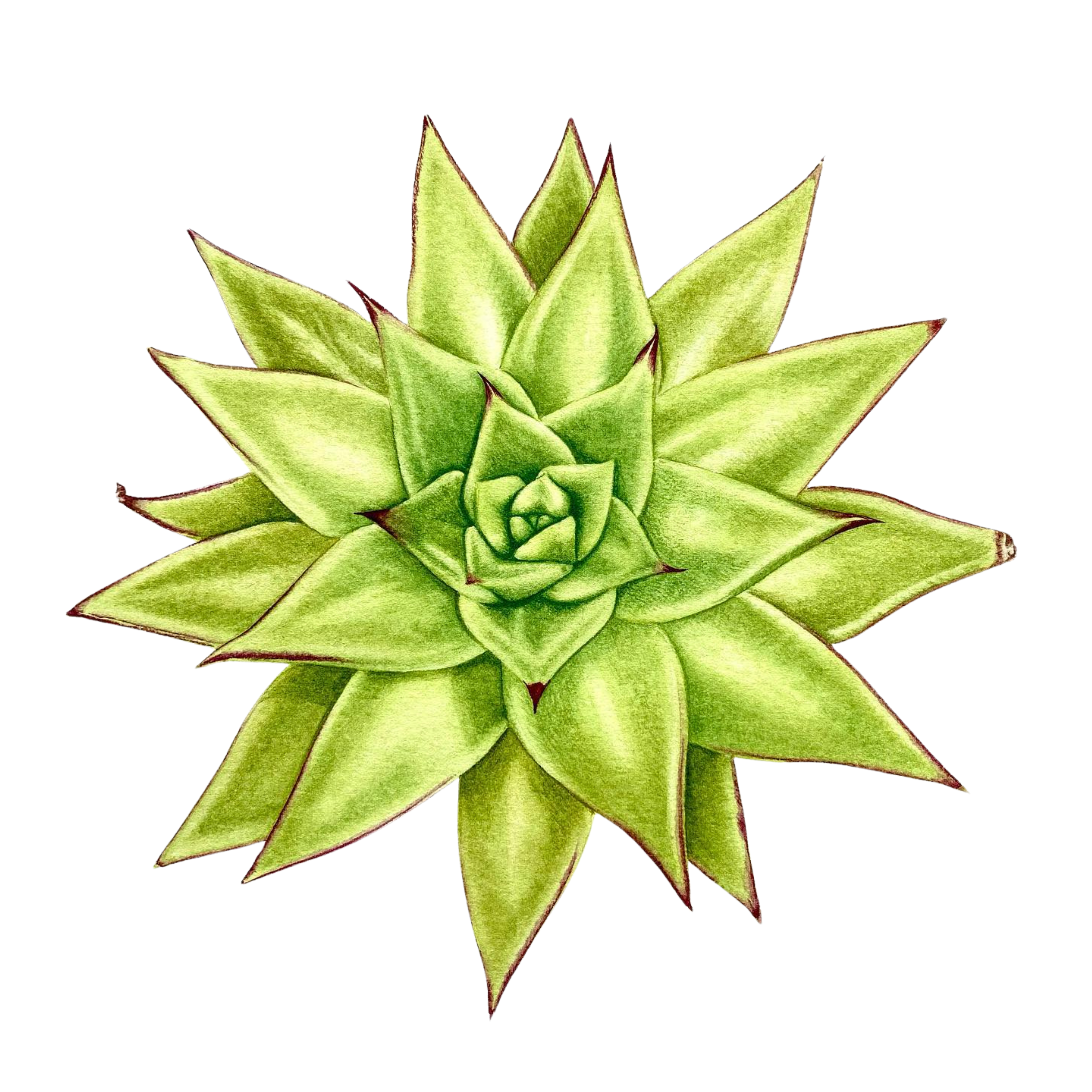
At first glance, a lipstick echeveria might seem a little daunting, with its many leaves arranged in a symmetrical rosette. However, you might be surprised by how manageable this subject becomes when you break it down into individual leaves.
This project uses fewer colours and techniques than you might expect, making it a good opportunity to practise observing the shape, colour and structure of a succulent.
Although the complete painting takes a little longer than some of the other projects in this selection, you don't have to finish it all at once. If you have less time available, you could use the tutorial to practise painting individual leaves before working towards the finished piece.
Succulents also offer plenty of inspiration throughout the year, so this is a useful subject to return to as your skills develop.
5. Aubergine
1.5 Hours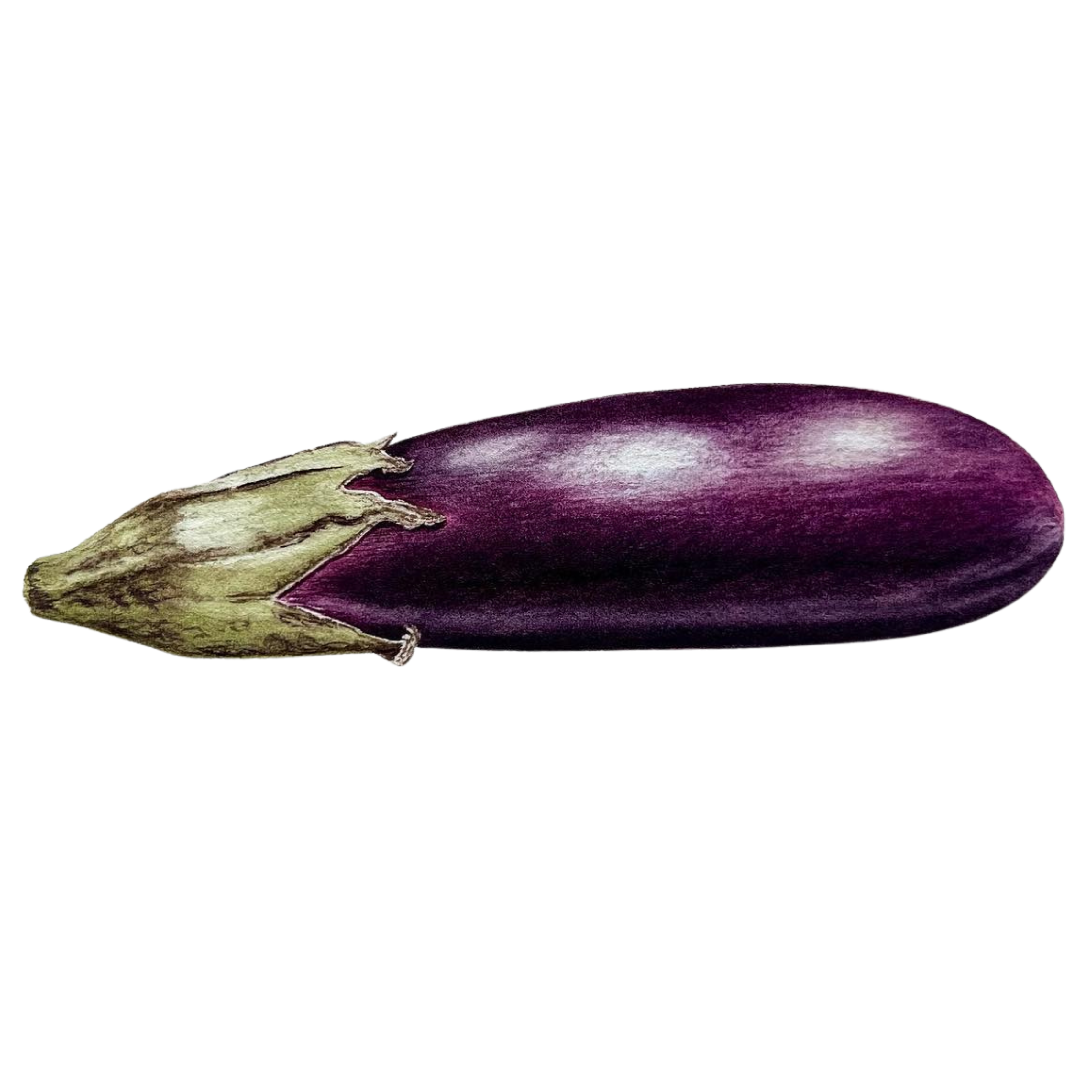
If you'd like to try something a little different from flowers and leaves, an aubergine is a wonderful subject for botanical art.
Its rich purple skin provides a unique opportunity to explore a deeper, darker colour palette while learning how to create contrast and preserve highlights.
Because the aubergine has a rounded form, it's also useful for understanding how light and shadow work together to give a subject a three-dimensional appearance.
This is a relatively short project, making it a good choice when you want to complete a painting in a single session without committing to a more complicated subject.
Coloured Pencil
Coloured pencil is an excellent choice if you enjoy building up detail gradually. You can work in light layers, refine your colours over time and return to a project whenever you have a little spare time.
1. Snowdrop
1.5 Hours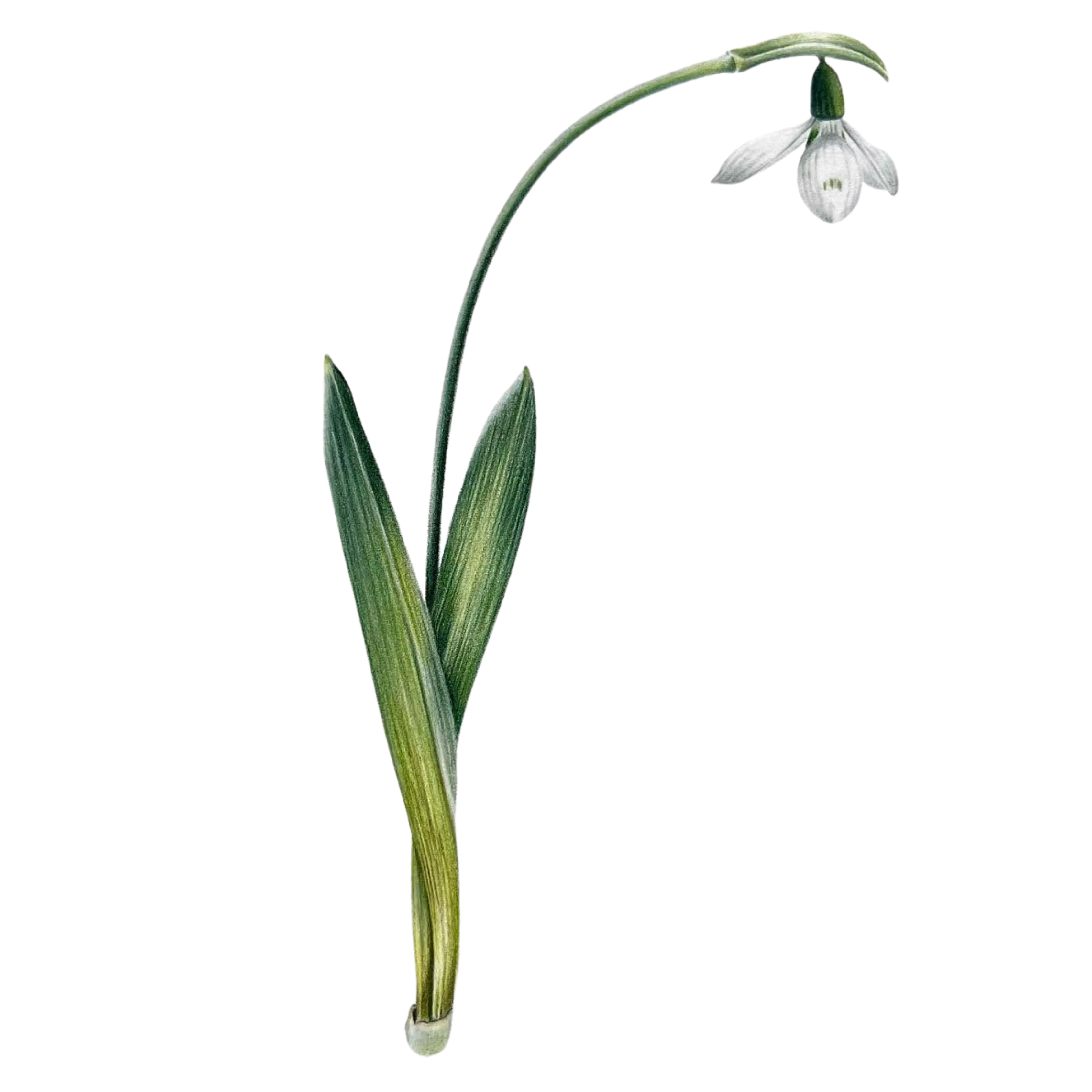
Snowdrops are a lovely subject for coloured pencil, with their delicate, nodding flowers and subtle shades of green and white.
Although they might appear simple at first glance, capturing the gentle curves of the petals and the way light falls across them requires careful observation.
This project gives you an opportunity to explore subtle colour transitions, build up layers gradually and create depth without relying on strong contrasts.
It's a lovely reminder that even the simplest botanical subjects can teach us a great deal about colour, form and detail.
Take your time with the individual petals and leaves, allowing the layers to develop gradually rather than trying to achieve the finished colour straight away.
2. Blue Pansy
2 Hours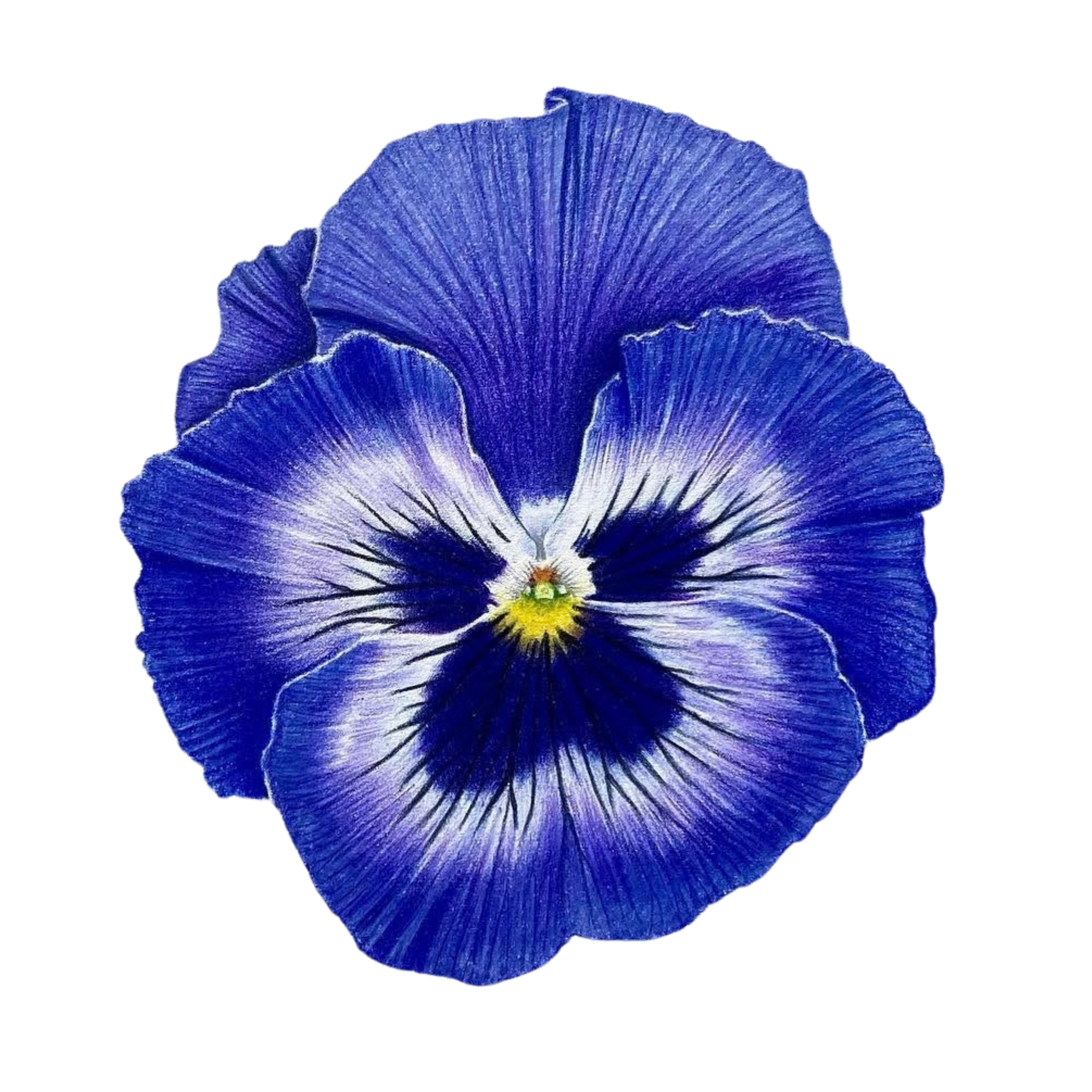
This little blue pansy is one of my personal favourite flowers, and it has also become a favourite with many of my YouTube followers.
It's a particularly striking double variety, with beautiful shades of blue and a vibrant yellow centre.
The range of colours makes this a wonderful project for practising blending and learning how to create smooth transitions between different shades. You'll also have the opportunity to explore the intricate details that give the flower its character.
Although this project takes a little longer than some of the shorter studies, you can work through it at your own pace and enjoy watching the flower gradually take shape.
3. Blackberries
2.5 Hours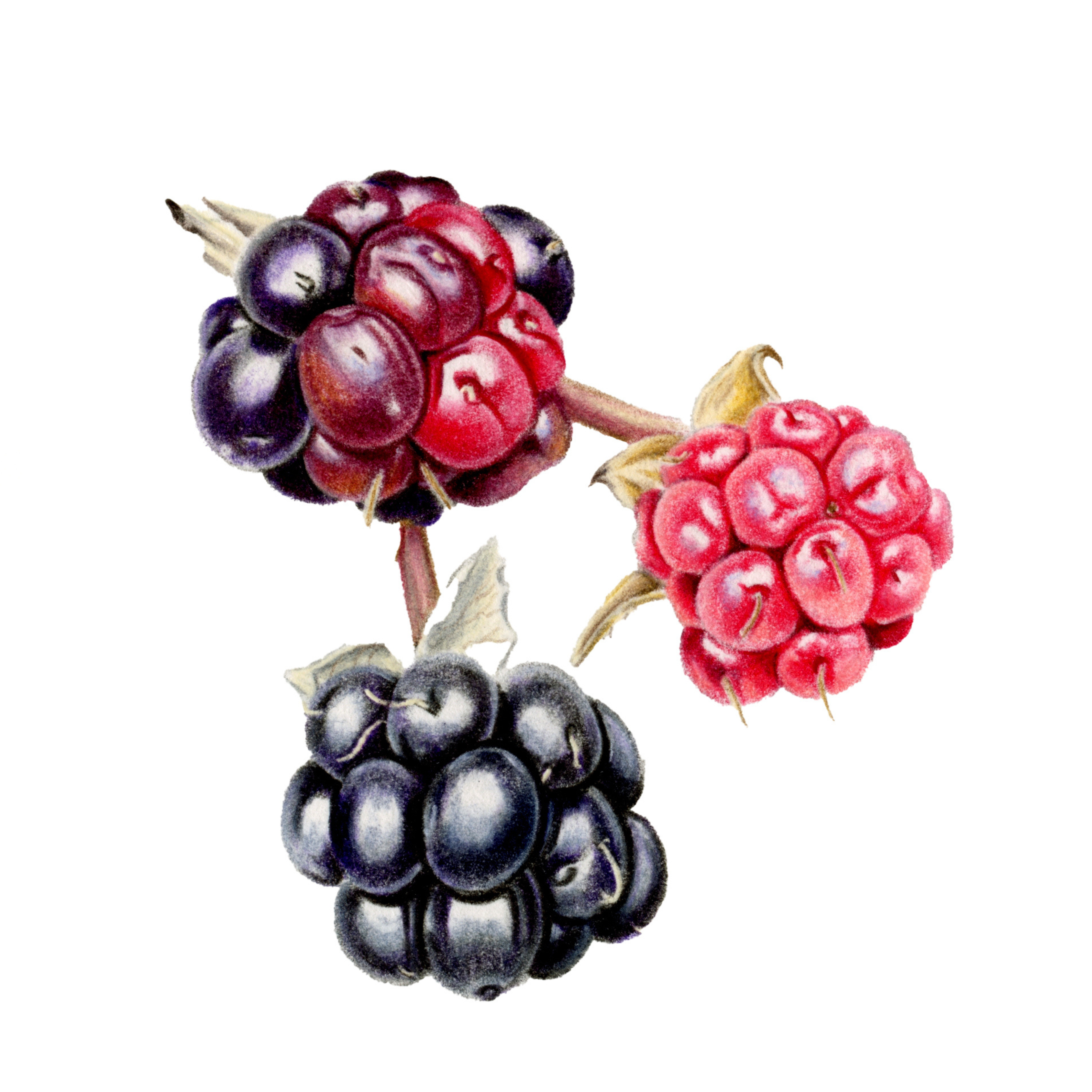
A cluster of blackberries offers a fascinating opportunity to explore colour, texture and light in coloured pencil.
This study includes berries at different stages of ripeness, from immature fruits to those that are partly coloured and fully darkened. Each berry has its own combination of colours, making the project varied and interesting to work through.
One of the most important elements is the shine. By carefully observing and preserving the highlights, you can help each berry look rounded and realistic rather than flat.
This is the longest coloured pencil project in this selection, but there is no need to complete it in one sitting. You could work berry by berry, completing a small section whenever you have some time available.
Each berry offers a slightly different combination of colours and details to explore, so it's an excellent opportunity to develop your observation and layering skills.
4. Hosta Leaf
2 Hours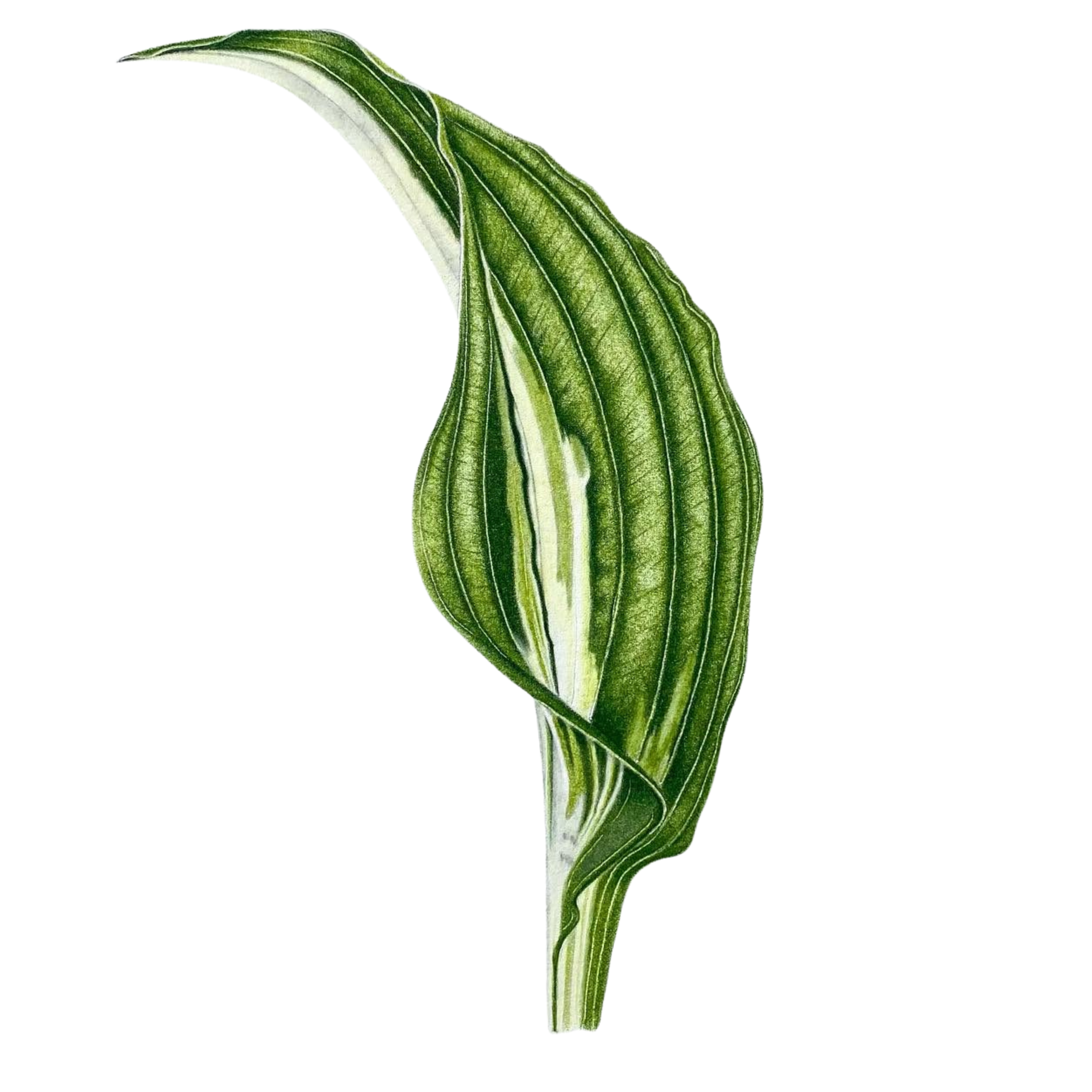
Leaves are an excellent subject for botanical illustration, and the hosta leaf is a particularly useful choice for exploring shades of green.
Its distinctive shape, natural twist and parallel veins provide plenty of detail without the complexity of a flower with many overlapping petals.
This project introduces you to working with vibrant greens in coloured pencil while helping you understand how the structure of a leaf influences the way you draw and shade it.
The techniques you practise here can be applied to many other botanical subjects, making this a useful study to return to as your skills develop.
If you enjoy painting and drawing the foliage you discover in your garden, this is a lovely project to try.
5. Apple
1.5 Hours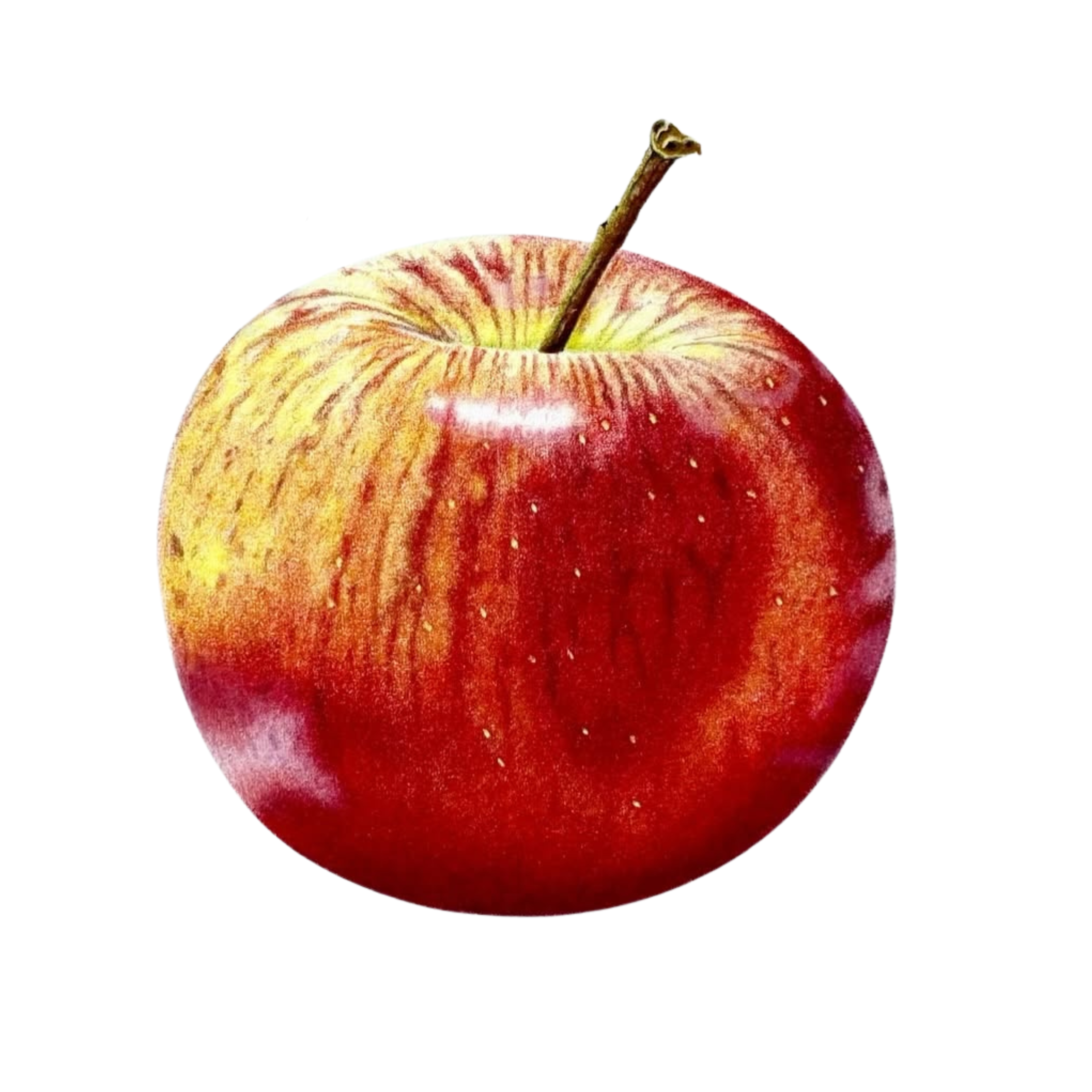 An apple might seem like a simple subject, but there is plenty to learn when it comes to creating a convincing, realistic finish.
In this tutorial, you'll explore the shape and form of the fruit, building up layers of coloured pencil to create a smooth appearance while paying attention to the way light falls across the surface.
I'll also introduce you to using an embossing tool to create the tiny pore marks found on the apple's skin. These small details help bring the finished illustration to life.
Although the apple has a relatively simple overall shape, the layers of colour and careful attention to highlights make it a rewarding project for beginners.
The full project takes around 90 minutes, so it's a good option if you'd like to work towards a finished piece in a single session.
You can follow this tutorial for free on my YouTube channel. You can also explore the gallery to see the lovely work other students have created!
How to Make Time for Botanical Art
1. Create a dedicated art space
Having your materials ready to use can make it much easier to get started. When you only have an hour to spare, you don't want to spend the first twenty minutes searching for pencils, preparing your paper and gathering everything you need.
I appreciate that not everyone has a dedicated art room. When I first started, I worked at the dining table at home and packed everything away again when I had finished.
You don't need a beautiful studio or lots of expensive equipment. Even a small corner of a desk, a spare shelf or a portable art box can make a difference.
Try keeping your most frequently used materials together so you can begin with minimal preparation. Coloured pencils are particularly easy to pack away and take with you, while watercolour can be just as manageable with a simple set of supplies.
The easier it is to get started, the more likely you are to make use of those little pockets of time.
2. Find subjects that truly interest you
Art is much more enjoyable when you're working on something that genuinely interests you.
Perhaps you love delicate flowers, unusual leaves, colourful fruit or the tiny details you discover when looking closely at plants in your garden. Let that curiosity guide your choice of project.
You don't have to choose the most complicated subject to develop your skills. A simple leaf can help you practise shape and veins, while a piece of fruit can teach you about colour, form and shadow.
Every subject offers something different to learn. Choose something that inspires you and allow yourself to enjoy the process along the way.
3. Make pockets of time for art
It's easy to let everyday responsibilities take over, leaving little time for the things we enjoy.
Sometimes, we need to be a little more intentional about making space for creativity. Think about your typical week and whether there are small pockets of time you could set aside for art.
It might be half an hour before the rest of the household wakes up, a quiet afternoon at the weekend or a little time in the evening once everything else is done.
I particularly love waking up early and being creative while the house is still quiet. Having that time to myself makes such a difference to my enjoyment of the day.
You don't need to dedicate an entire afternoon to make progress. You could work on one section of a painting, practise a particular technique or complete a small study.
If a project takes two or three hours, try splitting it into shorter sessions rather than waiting for a free afternoon that might never arrive.
Small, consistent sessions can add up over time, and you'll be surprised by what you can achieve when you give yourself permission to begin.
4. Step away from screens and focus
I'm often guilty of scrolling through social media, too. It's surprisingly easy to lose half an hour browsing online when we could have spent that time doing something creative.
Of course, social media can be a wonderful source of inspiration for botanical artists. However, if you find yourself wishing you had more time for art, it might be worth looking at how much of your spare time is spent on your phone.
Try putting your phone out of reach while you work, turning off notifications or setting aside a short period when you won't be checking messages.
If you're following a tutorial on your computer or tablet, have it ready before you begin so you can concentrate on your artwork rather than getting distracted by other things.
Botanical art encourages us to slow down and observe the natural world. Giving your artwork your full attention can make even a short session feel more rewarding.
You don't need to be productive every minute of the day. Sometimes, putting your phone away and picking up a pencil is a lovely place to start.
Frequently asked questions
What is the easiest botanical art project for beginners?
A simple leaf, a single flower or a piece of fruit can all make excellent starting points. Choose a subject that interests you and focus on observing its shape before moving on to colour and detail.
If you'd like a super short project, the Apple in Coloured Pencil and Aubergine in Watercolour tutorials only take an hour and a half to complete.
Can I learn botanical art if I only have an hour?
Absolutely. You can choose a shorter project or work on one section of a longer painting. You don't have to complete an entire artwork in one sitting to make progress.
Should I start with watercolour or coloured pencil?
Both are lovely mediums for botanical art. Coloured pencil allows you to build up colour and detail gradually, while watercolour offers opportunities to explore transparent washes and colour mixing.
I'd recommend choosing whichever medium appeals to you most. You can always try the other one later!
Are there free botanical art tutorials available?
Yes. Several of the projects in this article are available for free on my YouTube channel, including the Tulip in Watercolour, Blue Pansy in Coloured Pencil, Blackberries in Coloured Pencil, Hosta Leaf in Coloured Pencil and Apple in Coloured Pencil tutorials.
These are a great way to explore botanical art and practise new techniques at your own pace.
Ready to explore more botanical art tutorials?
I hope these projects have inspired you to make a little more time for creativity.
You don't need to finish an entire painting in one sitting or have lots of experience to get started. Choose a subject you love, work at a pace that suits you and enjoy discovering what you can create.
If you'd like to try a project for free, my Apple in Coloured Pencil tutorial takes you through the process step by step, from the initial drawing to the final details.
Paint an Apple with Me for Free on YouTube
If you're looking for more guidance, my Patreon offers a growing library of botanical art tutorials in both watercolour and coloured pencil. You'll find step-by-step projects to help you develop your skills, explore different techniques and enjoy creating at your own pace.
Explore My Botanical Art Tutorials on Patreon
I'd love to see what you create. Do let me know in the comments if you try any of these projects. I always enjoy seeing your artwork and hearing about your progress!
Until next time,
Emma x